The mountain stands, a stoic king, Crowned in clouds, where eagles sing. Its air is crisp, its heart is stone, A fortress built by time alone.
The beach, a queen, soft and free, Draped in foam and kissed by the sea. Its rhythm dances with the tides, A place where the earth and sky collide.
The mountain whispers, “Climb to me, And find your strength, your clarity. In my heights, the world is small, But your spirit grows, standing tall.”
The beach replies, “Lie on my sand, And feel the pulse of this vast land. In my waves, your worries wane, Your soul is soothed, your joy remains.”
The mountain boasts of solitude, Of paths less trodden, dreams pursued. It speaks of echoes, deep and true, Where silence sings of something new.
The beach enchants with company, Its laughter carried on the breeze. It hums of sunsets, golden, grand, And lovers walking hand in hand.
Yet both are keepers of the soul, Each a part of nature’s whole. The mountain teaches: Rise, endure, The beach reminds: Flow, feel secure.
Together they weave life’s perfect thread, With peaks that rise and waves that spread. The mountain grounds, the beach sets free— Two halves of one great symphony.
Every time I write, I am keenly aware of my audience—the ones who might one day read my words, the ones I imagine sitting across from me, as if we are face to face, eye to eye. I appreciate them, these invisible readers who bring their own perspectives and experiences to the table. And yet, as much as I hold them in my mind, I understand that for my words to truly resonate, I must first write for myself. I must write with the passion and authenticity that only comes from engaging with something I know, something that speaks to my core. Because without that inner connection, my words are hollow, and my audience, perceptive as they are, would surely know it.
To write effectively, I must be fully invested. When I am deeply interested in what I’m writing about, that interest translates; it becomes a bridge between my ideas and my audience’s engagement. I have to write on topics I truly know or am passionate about, drawing from genuine understanding, so that when my words reach others, they carry weight, depth, and conviction. Writing without passion is like delivering a speech you don’t believe in—your words may flow, but they won’t land. For a persuasive argument to resonate, it must be something I, as the writer, am wholly convinced of.
But writing persuasively is never simply a one-sided exercise. It’s about anticipating counterarguments, respecting those opposing views, and addressing them in a way that honors my audience’s intelligence and perspective. I know that when I write, not everyone will agree. In fact, I welcome the dissent; it keeps the conversation dynamic, alive, and meaningful. Through respectful rebuttal and thoughtful consideration, I engage in a dialogue—not a monologue—synthesizing all views, my own included, until I arrive at something richer than where I started.
So, I write for myself first. I write with conviction, with passion, and with the knowledge that to engage my audience, I must start from a place of truth within myself. But I also write with the goal of “selling” my ideas, of conveying my perspective as convincingly as I can. To do that, I rely on facts, scientific evidence, and reliable sources, weaving together a foundation that strengthens my argument and demonstrates my respect for those who will read my words.
Ultimately, writing for myself and writing for my audience are not opposing goals. They are, in fact, two sides of the same coin. When I am deeply invested in what I write, that sincerity becomes my message, my means, and my appeal. It is in writing for myself that I truly write for you, inviting you to see as I see, think as I think, and perhaps, even feel as I feel.
September arrives on soft, golden feet, A quiet prelude to autumn’s grand symphony. It carries the scent of change in the breeze, Cool whispers weaving through the trees.
It is the beginning of my favorite season, When summer bows out with grace. The world begins its slow exhale, Wrapped in amber, rust, and lace.
September is the first brushstroke of fall, Its skies a canvas of gentler hues— The sun, mellow and warm as honey, Its light filtering through morning dew.
The leaves begin their whispered conversations, Turning to crimson, gold, and flame. Each tree a poet, reciting the tale Of nature’s eternal, cyclical game.
It is the time of apple orchards and hayrides, Of pumpkin patches and firelit nights. The air hums with the promise of change, Of sweaters, scarves, and cozy delights.
Schoolyards fill with laughter once more, Children with backpacks, dreams in their eyes. It is the season of new beginnings, Of turning pages, of hopeful tries.
September teaches us to let go gently, To find beauty in endings and embrace the unknown. Its charm is quiet, yet deeply profound— A transition where seeds of reflection are sown.
So, why do I love September so? It is a poem that nature writes with care. A month of balance, of dusk and dawn, Where stillness and transformation share.
And for those who pause to truly see, September holds the magic key— To love what was, to welcome what will be, And to find grace in life’s changing melody.
My heart has but one door, And though it stands locked, silently still, You hold the key—it’s yours alone, A truth no time or fate can kill.
Though time is not on our side, I let you go without bitter chains. For knowing you are loved, cared for, Softens the sharpest of my pains.
I know you’d disagree with me, Arguing love deserves its chance to fight. But how can joy truly flourish, When fairness is cast into the night?
Perhaps you’re right, but love is not selfish, It cannot thrive on dreams that deceive. And so, forgive me as I let go— A choice I grieve, yet still believe.
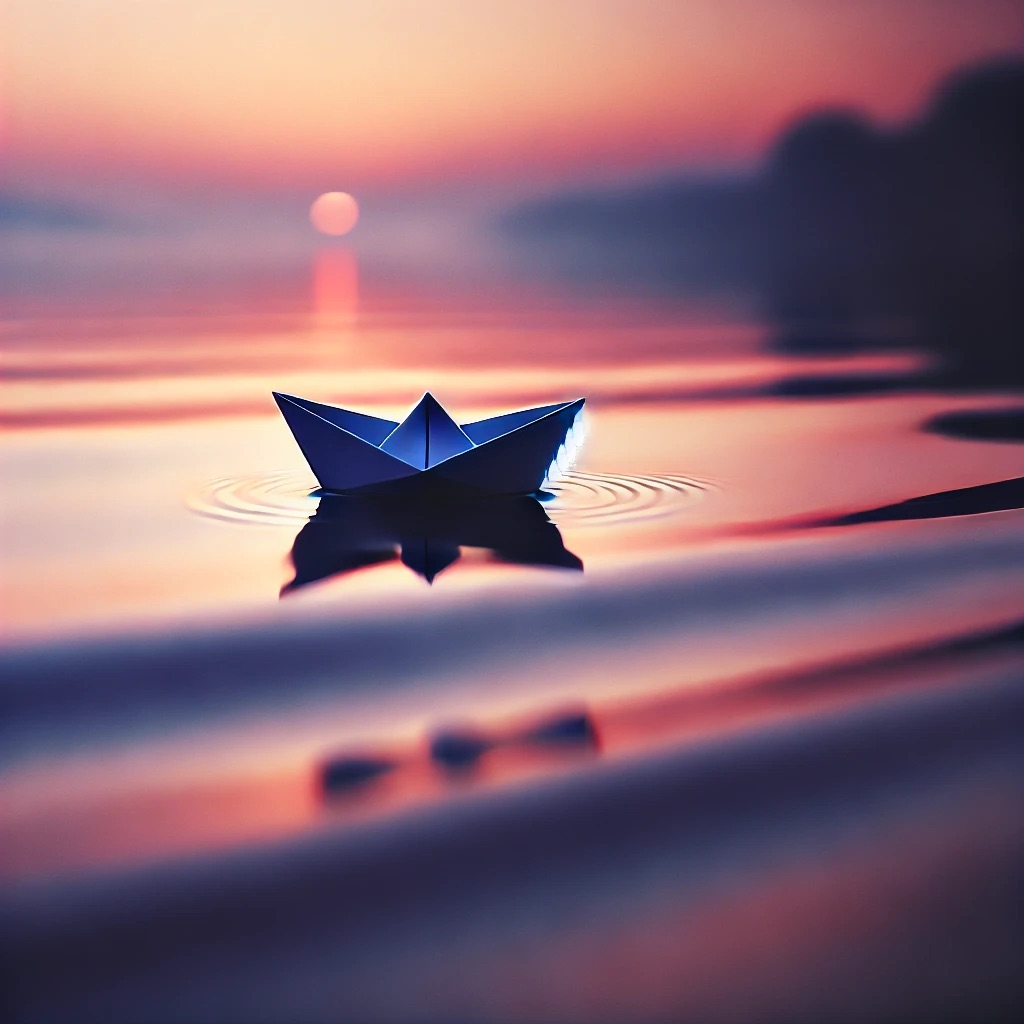
This love of ours is a paper boat, I sent it out to the endless sea. It may not reach your distant shore, Nor find its way back home to me.
But at least we have loved, deeply, fiercely, A spark that time can never take. And though we are not meant to be, My love for you will never break.
So here I stand, releasing your hand, Wishing you joy, setting you free. There will never be another you, Yet I will love you for eternity.
YouTube/Chet Baker/There Will Never Be Another You
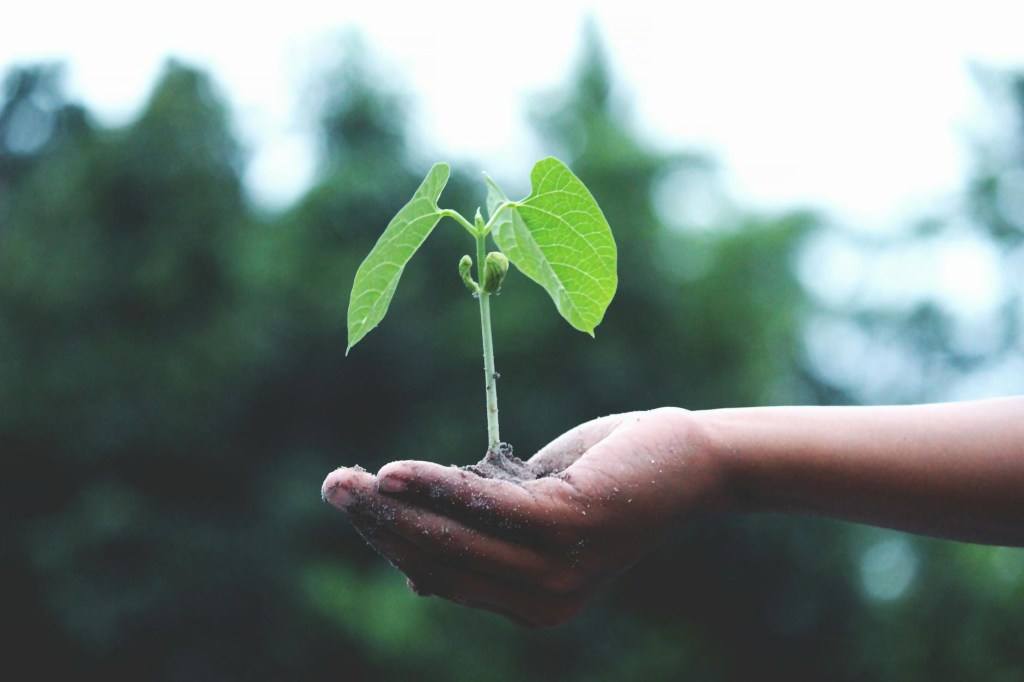
“Hope is being able to see that there is light despite all of the darkness.” – Desmond Tutu (Image courtesy of Pexels)
Life brings its share of trials, troubles, and tribulations. It’s part of the journey, and we all go through moments when it feels like too much to bear. Yet, no matter how dark these days may seem, one thing remains true: these hardships will pass. At the end of the day, what matters is that we are good in spirit and healthy in mind and body, grounded in what truly sustains us.
It’s important to have meaningful work, to stay engaged rather than idle, and to keep our minds free of harmful vices. As the Desiderata beautifully puts it, these vices are “vexations” to the spirit. When we avoid them, we clear a path for inner peace. But beyond work and personal discipline, having a strong support system makes an enormous difference. Family and friends who lift us up, who listen, and who remind us of our worth can be powerful sources of resilience.
The reason I’m sharing this is because I know many of us, especially those here in United States, are facing incredible challenges. The weight of daily pressures, uncertainties, and personal struggles can be overwhelming. I speak from experience; there was a time in my life when I fell into depression, and I felt the despair and isolation that comes with it. But having been through that, I know the power of encouragement, the strength that comes from hearing words of hope and light.
Remember, you’re not alone. Too often, we keep our hardest battles to ourselves, fearing rejection or clinging to pride. But that isolation only deepens the pain. Facing your truth is the first step toward healing; when you open up, you begin to see a way forward. Sharing your burdens doesn’t make you weak; it’s an act of courage, a way of building connection and understanding.
Life is impermanent; everything changes, and this is both a challenge and a blessing. With resilience and a hopeful heart, we can face whatever comes, knowing that better days are on the horizon. So, hang in there. You are stronger than you realize, and even if today feels overwhelming, tomorrow brings new hope, new light, and new possibilities.
“A path forward is always a cherished destination,” me.
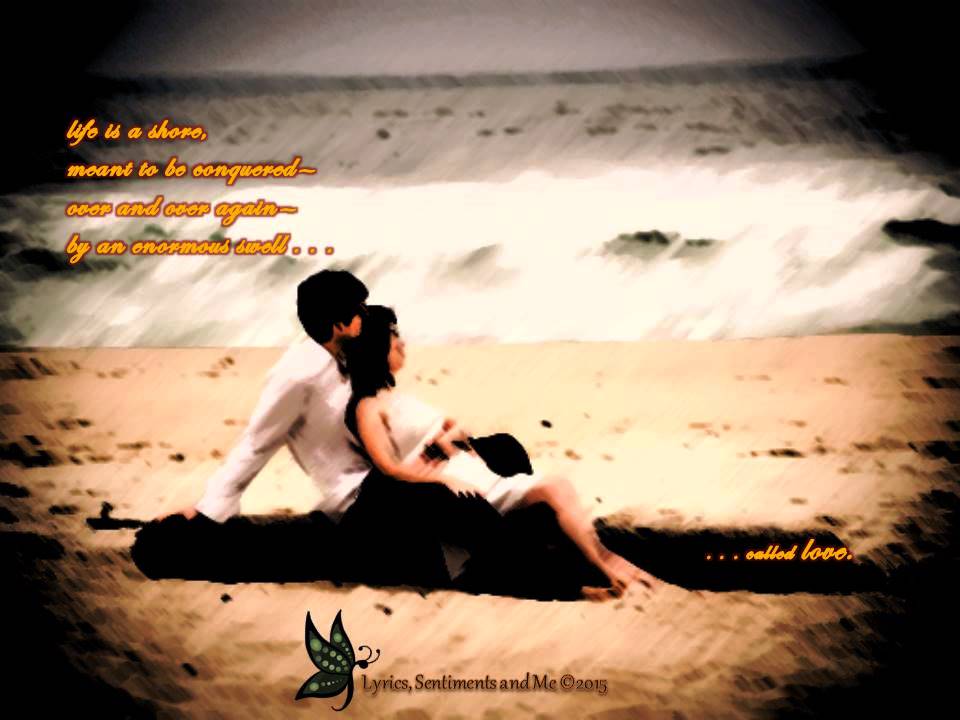
“Life is a shore, meant to be conquered over and over again by an enormous swell called love,” me.
Love, a word that has inspired poets and mystics for centuries, is often thought of as an emotion—a feeling that rises within, warms the heart, and connects us to others. Most people see love this way: a state of passion, joy, and comfort. But to see love as only an emotion is to see only half of its nature. Emotion, by itself, can be fleeting; it ebbs and flows, as unpredictable as the wind. To love only when it is easy, when the feeling is strong, is a limited kind of love. But what if we saw love not just as an emotion, but as an act—a conscious choice that endures beyond emotion’s whim? This perspective on love is powerful, transformative, and, ultimately, life-changing.
To love as an act is to go beyond oneself, to step into the world and meet others with purpose. It is the parent who sacrifices sleep to care for their child, the friend who shows up on the darkest days, the stranger who lends a hand to another without expectation. When love becomes an action, it transcends the limitations of mere feeling. It roots itself in commitment, in the decision to be present, to serve, to give. It transforms into something greater than words or fleeting sentiment; it becomes the bond that heals wounds and bridges divides.
Love as an act has the power to change people and even entire situations. Imagine the partner who chooses to forgive, the teacher who sees the best in every student, the neighbor who extends kindness instead of judgment. Love as action can soften even the hardest hearts, bringing about changes in people that simple feelings alone cannot. This form of love becomes a force of unity, of connection, of deep healing, as it touches lives and lights the way toward understanding.
When we rely on love solely as an emotion, it often falls victim to circumstances. Love that depends only on feeling can weaken with time, with distance, with conflict. But when we embrace love as an action, we rise above these limitations. Love becomes a commitment we honor, a promise we keep even when feelings waver. We become participants in love, rather than just recipients of it.
If more of us could see love as an act—something that is within our control, something we choose rather than something we wait to feel—more of us might find ourselves engaging with it daily. Love would no longer be a passive experience, something that “just happens,” but an active decision that defines who we are and how we move in the world. This perspective transforms love into a choice, a practice, something we can nurture and strengthen over time.
And therein lies the true power of love. It is both feeling and doing, both presence and action. It invites us to transcend ourselves, to connect deeply with others, to give without expectation, and to find joy in the act of loving. Love, when embraced as an action, is limitless—it is the difference that binds us, that shapes us, that defines us. Love, then, becomes more than emotion; it becomes life itself, experienced fully and wholeheartedly.
Time is the quiet tyrant, invisible and insatiable, a master whose hands turn every moment into memory, every breath into a thread unraveling. It strides unseen, yet rules with iron grace, painting our lives in invisible brushstrokes, etching our joys and sorrows with a patient, relentless hand.
Time wears a thousand faces. It is the dawn that whispers promises of tomorrow, the dusk that steals light from the sky. It is the clock’s gentle ticking, each second a silver needle stitching us closer to both the unknown and the inevitable. Like a river winding through valleys of hope and mountains of regret, time flows forward, never pausing to admire the landscapes it shapes, never swayed by pleas for mercy or haste.
It is both blessing and thief, granting youth in one hand, taking innocence in the other. Lovers swear by it—forever, they say, as if time itself could be charmed, as if they could cage its wild heart. But time laughs, knowing that all vows are but echoes that fade, promises like petals falling in a summer storm. It keeps its own counsel, loyal only to the unyielding march toward tomorrow.
And yet, in all its ironies, time is the tender artist, sculpting the wrinkles of wisdom on an elder’s face, leaving memories like fragrant blossoms in the minds of those who linger. It is a paradox of permanence and impermanence, giving meaning to the fleeting, turning moments into mosaics, seconds into stories. For time is not cruel—it simply does not care.
“Tick, tock,” it hums, its voice a lullaby and a warning, as it spins the universe upon an unseen axis, binding the world together with a pulse that neither slows nor stills. It is the heartbeat of history, the measure of all things mortal, the silent sovereign whose rule cannot be broken, whose essence is mystery itself.

 Lyrics, Sentiments and Me
You must be logged in to post a comment.