Writing True

50 Core American Documents

What book are you reading right now?

I recently began reading 50 Core American Documents edited by Christopher Burkett, and though I’m only at the start, I already feel a deep connection to its pages. Some of the material feels like revisiting old friends, as I had the privilege of studying American history during a semester at the University of Hawai’i. But this book isn’t just a reminder—it’s a new lens through which to see the foundation of the United States and the minds that shaped this exceptional nation.

Why read this collection? For me, it’s simple: I love the United States. I see America as the greatest idea humanity has ever conceived—a nation born from revolutionary principles of liberty, equality, and self-governance. Through these documents, I aim to immerse myself in the thoughts, debates, and ideals that created a beacon of freedom and opportunity for the world.

America’s greatness lies in its unique story. The Declaration of Independence boldly proclaimed that all men are created equal, setting a revolutionary precedent. The U.S. Constitution followed, forming the world’s longest-standing written charter of government. Over time, this framework weathered crises that tested its resilience, from the Civil War to the Civil Rights Movement. Leaders like Abraham Lincoln, whose speeches I deeply admire, showed how America’s ideals could evolve and expand to encompass more people and freedoms.

The entrepreneurial spirit here has also made America a land of innovation. It’s where electricity lit the world, flight became possible, and the Internet was born. Politically, the nation’s system of checks and balances ensures the pursuit of justice and accountability, while its cultural diversity celebrates the contributions of immigrants and indigenous peoples alike.

As I continue reading, I hope to better understand the ideas and sacrifices behind this exceptional experiment in democracy. These documents don’t just recount history; they’re living conversations that remind us of America’s responsibility to uphold its founding ideals.

One of the pieces I’m most looking forward to revisiting is Abraham Lincoln’s Gettysburg Address. It is, without question, one of my favorite American works. In just a few sentences, Lincoln captured the very essence of what makes this country extraordinary: a government of the people, by the people, for the people. For me, it’s not just a speech—it’s a call to honor the sacrifices of the past by building a more just and free future. As I delve further into this book, I carry those words with me, inspired to learn, reflect, and perhaps contribute to this ongoing story in my own way.
Writing True

Hawaii is and will always be my home.

If you could live anywhere in the world, where would it be?

Updated 9:21 AM HST 11/14/24

(Before I start answering this prompt, I am behind on getting back at some friends—forgive me—I apologize. Hopefully tonight, I can make it up to you. Thank you for your kind understanding! Aloha. . .)

Hawaii is my heart’s home, my sanctuary. There is no place in the world I’d rather be than here, in the land where my roots run deep. God brought me to this special place, and every day I am grateful for it. To those who haven’t experienced the spirit of the Aloha State, it might just seem like another paradise, but it’s more than that—it’s a place of profound beauty, culture, and history that is unlike anywhere else on Earth.

Hawaii’s landscapes are a testament to the creative forces of nature. This volcanic chain of islands is a geological marvel, directly formed from the earth’s mantle as a “hot spot” of volcanic activity. To the south, two underwater islands lie hidden beneath the waves, a reminder of Hawaii’s continuous transformation. And that water—oh, it’s the purest I’ve ever tasted. Thanks to the ingenious aquifer system built by native Hawaiians long ago, Hawaii boasts some of the cleanest, freshest water in the world, flowing from deep underground and sustaining all life here.

In addition, Hawaii is home to many endemic birds, plants, and flowers. Even underwater, we have corals here, which you cannot find anywhere.

Living in Hawaii means thriving. Health-wise, people here have a longer life expectancy than in most places, averaging in the high 80s to low 90s. Some may say that Hawaii is expensive, and there’s no denying that the price of living here is high. Being in the middle of the Pacific, almost everything has to be shipped in. But with the health benefits and the best weather in the world—a warm, gentle climate tempered by the ocean—it’s worth every penny.

Hawaii holds my heart in every way. I remember a time when I went through a rough patch, maybe a midlife crisis. In that season, I briefly entertained the thought of moving to another state or even to a nearby country. It’s not something I regret exactly, but looking back, it was a fleeting dream born from a temporary place of restlessness. At my core, I knew Hawaii was home, and nowhere else could ever take its place.

When I think about what it means to live here, it’s about more than the beauty, the health, or the clean air and water. Hawaii is a place of deep, enduring love and community. It’s where I’m meant to be—no matter where life leads me, I know Hawaii will always be my heart’s true home.

Writing True

Not a thing, but a person.

What’s the coolest thing you’ve ever found (and kept)?

I have a habit of putting everything I find in “Lost and Found.” If I stumble across someone’s belongings—a purse, a cellphone, even an old homework assignment from a former classmate—I’ll go out of my way to make sure it’s returned. Losing things, especially when you need them most, is one of my pet peeves. I know how it feels to realize something’s gone missing and wonder if it’s lost forever, and I wouldn’t want someone else to feel that same frustration.

Once, I found an old iPhone in a parking lot, clearly out of commission and likely dead for good. I posted it on Craigslist, hoping someone would recognize it as theirs, but there were no responses. Since it seemed like it was abandoned, I kept it—just that once. But other than that, every other item went back to Lost and Found, safe and sound, waiting for its rightful owner.

On a lighter note, I sometimes wonder if there could be a “Lost and Found” for people, too. There was a time I found someone who seemed a bit lost, but I had no idea who to return him to. Just kidding! Life has a funny way of bringing people into our lives, and sometimes, the ones who seem a little lost bring us the most memorable adventures.

Have a great day, everyone! Remember, if you lose something, I’ll probably be the first to drop it off where it belongs.

Courage · Hope · Inspirational · Non-Fiction · Resiliency · Writing True

Hang in There

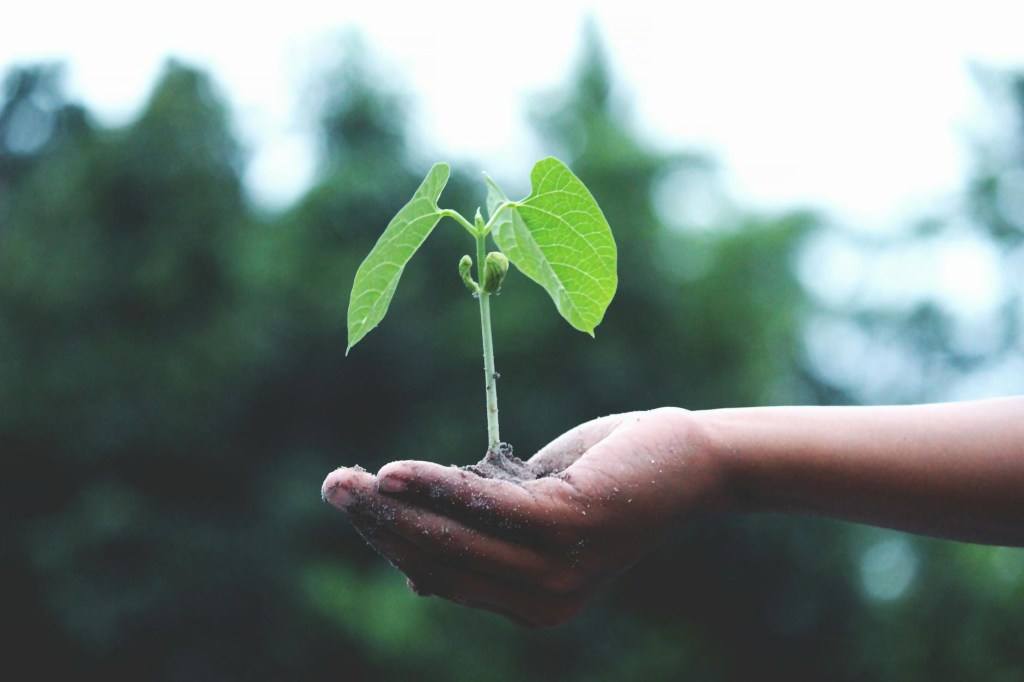
“Hope is being able to see that there is light despite all of the darkness.” – Desmond Tutu (Image courtesy of Pexels)

Life brings its share of trials, troubles, and tribulations. It’s part of the journey, and we all go through moments when it feels like too much to bear. Yet, no matter how dark these days may seem, one thing remains true: these hardships will pass. At the end of the day, what matters is that we are good in spirit and healthy in mind and body, grounded in what truly sustains us.

It’s important to have meaningful work, to stay engaged rather than idle, and to keep our minds free of harmful vices. As the Desiderata beautifully puts it, these vices are “vexations” to the spirit. When we avoid them, we clear a path for inner peace. But beyond work and personal discipline, having a strong support system makes an enormous difference. Family and friends who lift us up, who listen, and who remind us of our worth can be powerful sources of resilience.

The reason I’m sharing this is because I know many of us, especially those here in United States, are facing incredible challenges. The weight of daily pressures, uncertainties, and personal struggles can be overwhelming. I speak from experience; there was a time in my life when I fell into depression, and I felt the despair and isolation that comes with it. But having been through that, I know the power of encouragement, the strength that comes from hearing words of hope and light.

Remember, you’re not alone. Too often, we keep our hardest battles to ourselves, fearing rejection or clinging to pride. But that isolation only deepens the pain. Facing your truth is the first step toward healing; when you open up, you begin to see a way forward. Sharing your burdens doesn’t make you weak; it’s an act of courage, a way of building connection and understanding.

Life is impermanent; everything changes, and this is both a challenge and a blessing. With resilience and a hopeful heart, we can face whatever comes, knowing that better days are on the horizon. So, hang in there. You are stronger than you realize, and even if today feels overwhelming, tomorrow brings new hope, new light, and new possibilities.

“A path forward is always a cherished destination,” me.

Writing True

Who Cares? Coz I Don’t.

Who is the most famous or infamous person you have ever met?

In my more than two decades as a journalist, I’ve had the privilege of meeting countless well-known figures—politicians, celebrities, thinkers who have shaped our world in meaningful ways. For many, this might be a dream come true, an opportunity to get up close with the icons whose faces and stories fill our screens and headlines. But for me, this has never felt like a big deal. The truth is, I don’t believe in being starstruck.

To me, each person I meet is just that—a person. An autograph? I’ve never asked for one, nor do I have the urge to. Modesty aside, I see such things as another form of vanity, a trinket to admire or display, as if to prove, “I was there, I met this person.” That’s not what my work is about. It’s not why I became a journalist. I don’t want my career to be about collecting names or brushing shoulders with fame. Instead, I want it to be about storytelling, about sharing insights and understanding that extend beyond the individuals themselves.

I’ve never kept track of the famous people I’ve met, nor do I intend to. I don’t need a list to remind me of the moments that have meant the most. What I carry with me are not autographs or photos but the conversations, the words that reveal something true, the stories that demand to be told. It is in these moments that I find my purpose—seeking the human element within the public figure, the untold story behind the image. In doing so, I feel I’ve achieved something far more meaningful than a signature ever could.

Essay · Love · Non-Fiction · Writing True

Love as an Act and Love as an Emotion: A Duality of the Heart

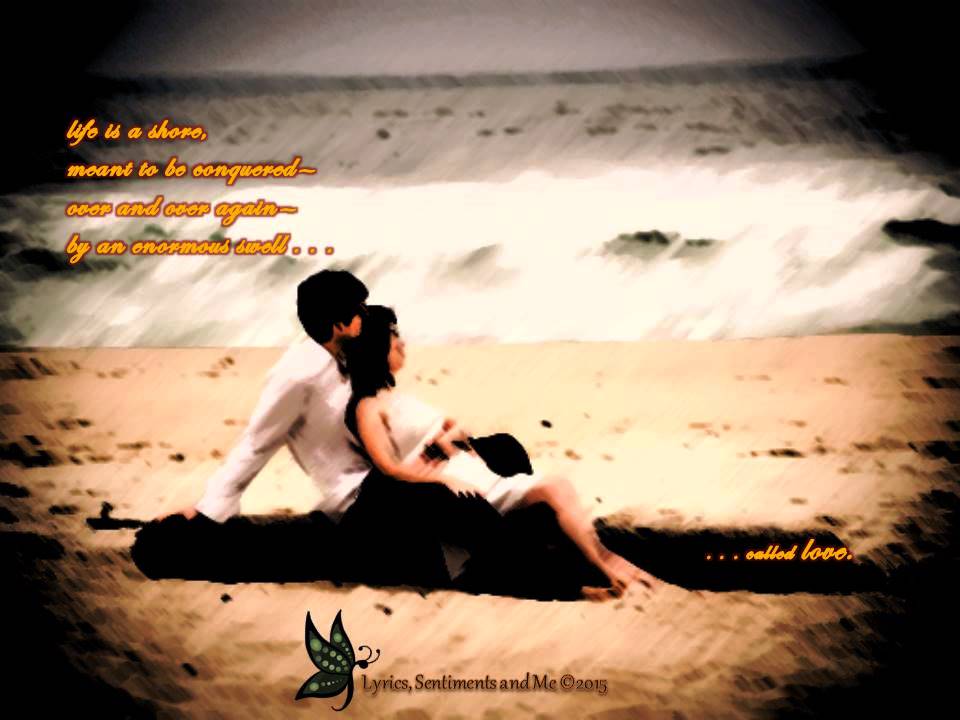
“Life is a shore, meant to be conquered over and over again by an enormous swell called love,” me.

Love, a word that has inspired poets and mystics for centuries, is often thought of as an emotion—a feeling that rises within, warms the heart, and connects us to others. Most people see love this way: a state of passion, joy, and comfort. But to see love as only an emotion is to see only half of its nature. Emotion, by itself, can be fleeting; it ebbs and flows, as unpredictable as the wind. To love only when it is easy, when the feeling is strong, is a limited kind of love. But what if we saw love not just as an emotion, but as an act—a conscious choice that endures beyond emotion’s whim? This perspective on love is powerful, transformative, and, ultimately, life-changing.

To love as an act is to go beyond oneself, to step into the world and meet others with purpose. It is the parent who sacrifices sleep to care for their child, the friend who shows up on the darkest days, the stranger who lends a hand to another without expectation. When love becomes an action, it transcends the limitations of mere feeling. It roots itself in commitment, in the decision to be present, to serve, to give. It transforms into something greater than words or fleeting sentiment; it becomes the bond that heals wounds and bridges divides.

Love as an act has the power to change people and even entire situations. Imagine the partner who chooses to forgive, the teacher who sees the best in every student, the neighbor who extends kindness instead of judgment. Love as action can soften even the hardest hearts, bringing about changes in people that simple feelings alone cannot. This form of love becomes a force of unity, of connection, of deep healing, as it touches lives and lights the way toward understanding.

When we rely on love solely as an emotion, it often falls victim to circumstances. Love that depends only on feeling can weaken with time, with distance, with conflict. But when we embrace love as an action, we rise above these limitations. Love becomes a commitment we honor, a promise we keep even when feelings waver. We become participants in love, rather than just recipients of it.

If more of us could see love as an act—something that is within our control, something we choose rather than something we wait to feel—more of us might find ourselves engaging with it daily. Love would no longer be a passive experience, something that “just happens,” but an active decision that defines who we are and how we move in the world. This perspective transforms love into a choice, a practice, something we can nurture and strengthen over time.

And therein lies the true power of love. It is both feeling and doing, both presence and action. It invites us to transcend ourselves, to connect deeply with others, to give without expectation, and to find joy in the act of loving. Love, when embraced as an action, is limitless—it is the difference that binds us, that shapes us, that defines us. Love, then, becomes more than emotion; it becomes life itself, experienced fully and wholeheartedly.

YouTube/Cecilio & Kapono/Good Times Together
Writing True

The Power of Frugality: Why Spending Wisely Is a Path To Financial Freedom

Name the most expensive personal item you’ve ever purchased (not your home or car).

No matter how much money a person makes, if they have poor spending habits, they are bound to end up financially strained. Frugality—choosing to live within or even below one’s means—is a timeless virtue that leads to financial stability, contentment, and resilience. Being frugal is about making wise choices with money, valuing simplicity over extravagance, and finding satisfaction in life without excessive spending.

To be frugal is not to deny oneself the pleasures of life but to cultivate a mindset of prudence and responsibility. This approach to spending frees a person from the endless pursuit of more and allows them to enjoy what they already have. Living frugally teaches us to focus on needs rather than wants, distinguishing between essentials and luxuries. The reality is, even a large income can be quickly depleted by extravagant spending. In contrast, those who are frugal can make their income stretch further, achieving financial goals, and building security for the future.

One effective way to practice frugality is by creating and following a budget. A budget is not a restriction; it’s a guide to prioritize spending. Tracking income and expenses helps people see exactly where their money is going, which allows them to make adjustments and save for what truly matters. For instance, categorizing spending—such as housing, groceries, transportation, entertainment, and savings—helps identify areas to cut back. Over time, budgeting becomes a habit, a routine that keeps a person on track financially.

Another crucial aspect of frugality is avoiding debt whenever possible. Debt is one of the greatest obstacles to financial security, as it drains money that could otherwise be used for savings or investments. By paying off credit cards in full each month and avoiding high-interest loans, individuals can stay out of the cycle of debt. If borrowing is necessary, being selective and choosing low-interest options is essential.

Frugality also encourages simple living, a habit that leads to contentment. Many people spend excessively on unnecessary items, from luxury goods to high-end technology, thinking they will bring lasting happiness. In reality, these items often lose their appeal quickly. Instead, those who embrace frugality find joy in simple things: spending time with loved ones, enjoying nature, or pursuing inexpensive hobbies. By focusing on what truly matters, one learns that happiness doesn’t have to come with a high price tag.

Another frugal habit is to buy in bulk and take advantage of discounts. For everyday essentials like toiletries, cleaning supplies, and non-perishable foods, buying in bulk saves money in the long run. Shopping smartly—comparing prices, looking for sales, and using coupons—also helps reduce expenses. Small efforts like these add up over time, leaving more money available for savings or emergencies.

Lastly, repairing and reusing items instead of constantly buying new things can lead to substantial savings. Whether it’s fixing a piece of clothing, repurposing household items, or learning basic DIY skills, this mindset of reusability teaches self-reliance and minimizes waste. Choosing quality over quantity is another smart frugal practice, as well-made items often last longer, reducing the need for frequent replacements.

In a world that often equates success with material wealth, frugality might seem out of step. But in reality, frugality is a pathway to true financial freedom and security. By practicing frugality, individuals gain control over their finances, avoid debt, and live in a way that prioritizes their future over momentary pleasures. Frugality builds habits of mindfulness and self-discipline, and in the end, leads to a life of contentment, stability, and purpose.

So regardless of income, adopting a frugal lifestyle is wise for anyone looking to live without financial worry. By creating a budget, avoiding debt, finding joy in simplicity, and making mindful purchases, individuals can achieve a financial independence that no amount of flamboyant spending could ever provide. In the end, frugality is not just about saving money; it’s about embracing a life of freedom, simplicity, and lasting happiness.

Writing True

Why I’m Listening to “This Is Our Hawaii”

What podcasts are you listening to?

Hawaii is more than just my home; it’s a source of endless fascination. I love my state, and I want to know everything there is to know about it. That’s why I’ve been hooked on “This Is Our Hawaii,” a podcast from Hawaii Public Radio. It’s like a deep dive into the islands’ past, present, and future, bringing stories to life that most people might never hear.

Take this, for example: did you know that one of Hawaii’s islands, now worth billions, was once sold for just a dollar? It’s mind-blowing details like these that keep me listening, episode after episode. Through this podcast, I’m discovering pieces of Hawaiian history, culture, and community that I never knew, each episode connecting me more deeply to the place I call home.

So if Hawaii intrigues you—whether you’re a local or simply curious about these islands—go check out “This Is Our Hawaii.” It’s available at Hawaii Public Radio.